



News

Jenny Flores
In its 2025 edition, the Latin American High-Performance Computing Conference (CARLA), organized by the Advanced Computing System for Latin America and the Caribbean (SCALAC), will take place in September in Kingston, Jamaica. This annual event has become a key meeting point for researchers, academics, and experts in advanced computing, artificial intelligence, and high-performance applications across the region.

Jenny Flores
Those interested in participating in the flagship conference for Europe’s research and education networks, organized annually by GÉANT, can now register early and save up to €200. The deadline to secure the discount is March 24, 2025, until midnight (CET).
Jenny Flores
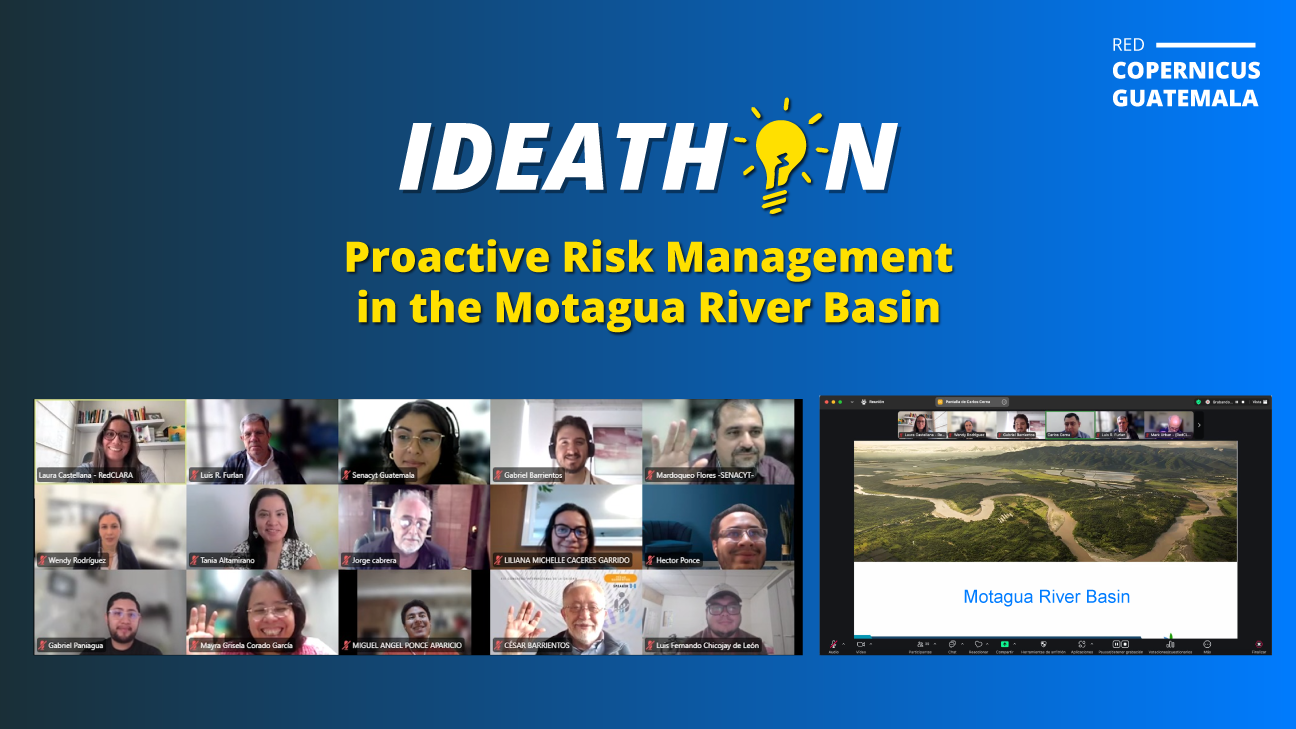
The region is experiencing deforestation, erosion, drought, floods, and desertification. The Motagua River Basin, spanning 97 municipalities in Guatemala and 27 in Honduras, faces a growing environmental crisis. The pressure on its resources is increasing, and climate change is worsening an already critical situation.

Jenny Flores
Photo credit: Erick Iriarte Ahon, eBIZ News.
With the goal of strengthening the digital ecosystem and promoting innovation in Latin America and the Caribbean, Peru’s Ministry of Transport and Communications (MTC) and RedCLARA signed a Memorandum of Understanding (MoU) on February 4, focused on the development of telecommunications and information and communication technologies (ICT).

Jenny Flores
From February 5 to March 11, 2025, individuals and organizations interested in participating in the Transnational Networking Conference 2025 (TNC25)—Europe’s leading research and education networking conference organized by GÉANT—can submit their proposals in the categories of Lightning Talks, Birds of a Feather (BoFs), and Community Hub.

Jenny Flores
RedCLARA participated in the Preparatory Seminar for the VI Latin America and the Caribbean–European Union (ALC-EU) Academic Summit, held in Costa Rica on January 30 and 31. This meeting was crucial for advancing the creation of a common space for higher education, science, technology, and innovation between both regions, with the goal of developing an academic integration agreement.