



Noticias - RedCLARA
María José López Pourailly

La colaboración entre RedCLARA y GÉANT, iniciada a comienzos de este siglo con el estudio de factibilidad CAESAR y el proyecto ALICE, ha evolucionado hasta convertirse en una alianza estratégica que hoy permite la conectividad directa entre América Latina y Europa a través del Programa BELLA y el cable submarino EllaLink.
María José López Pourailly
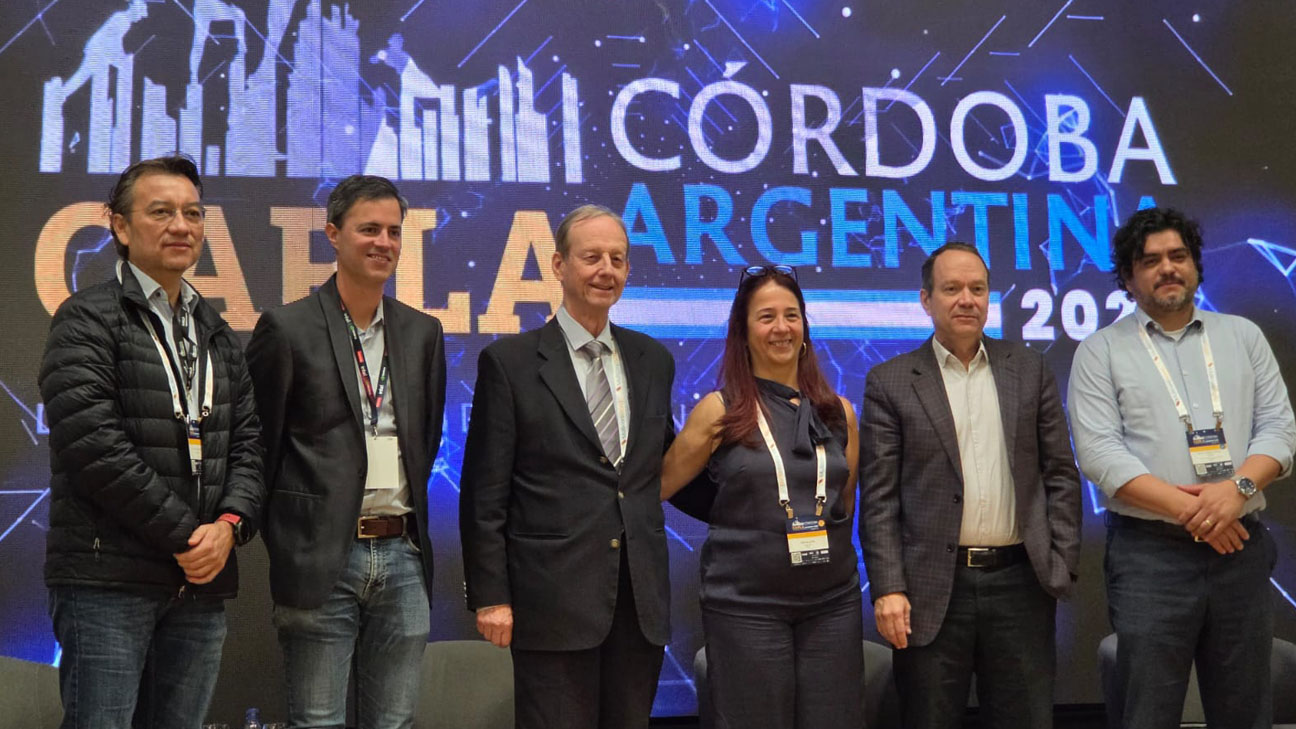
La decimotercera edición de CARLA reunió en Córdoba, Argentina, a más de 300 especialistas, investigadores, responsables de políticas públicas, representantes de la industria y líderes de centros de supercómputo de América Latina y el Caribe para debatir sobre computación de alto rendimiento, inteligencia artificial, ciencia de datos e infraestructura avanzada para la investigación. La conferencia concluyó con el anuncio de que CARLA 2027 se realizará en Bogotá, Colombia, del 27 de septiembre al 1 de octubre de 2027, con un programa científico centrado en computación de alto rendimiento, inteligencia artificial, computación científica y computación cuántica.
María José López Pourailly

La noticia de la integración de la universidad más austral del mundo a eduroam fue entregada en la edición de agosto de la revista Red en Acción, producida por la Red Nacional de Investigación y Educación chilena, REUNA. Beneficiaria directa del roaming académico internacional, es la comunidad del Campus Asistencial Docente e Investigación (CADI) de la UMAG.

María José López Pourailly
En el marco de la Conferencia EGI 2026, celebrada del 21 al 25 de septiembre en Gante, Bélgica, RedCLARA y la EGI Foundation firmaron un Memorando de Entendimiento (MoU) para impulsar la interoperabilidad de infraestructuras digitales avanzadas, la computación de alto rendimiento y la colaboración científica birregional.

Programa de intercambio acerca a Brasil y Uganda en materia de investigación y formación en Open RAN
María José López Pourailly
Profesionales de la Red Académica de Uganda (RENU) pasarán seis meses en RNP para aprender sobre infraestructuras de experimentación, desarrollar habilidades técnicas y prepararse para futuras iniciativas de redes abiertas en el país africano.
María José López Pourailly

La publicación de la red académica chilena reúne entrevistas, reportajes y noticias que destacan el trabajo colaborativo entre universidades, centros de investigación y redes académicas, abordando temas clave para el desarrollo digital y científico de Chile y América Latina.