


Cases & Voices

Scientists, citizens and organisations want to help fight climate change for a brighter future, researching, developing and implementing innovative solutions that also create employment and drive economic growth.
María José López Pourailly

(Opinion: Luis Eliécer Cadenas Marín, Executive Director of RedCLARA) The term networks has been used in many contexts: we live in the era of networks, we have social networks, community networks, collaboration networks, education networks and many others. For this reason, it is very important to distinguish between these uses and their meanings, and to define precisely what the concept of National Research and Education Network means.
María José López Pourailly

ALeRCE (Automatic Learning for the Rapid Classification of Events), is what in technical terms is known as "broker" and it seeks to create the tools to give answer to the needs of the new astronomy, characterized by generating an extraordinary amount of data and “astronomical alerts” to analyze every night.

Following a previous article on the management of cybersecurity incidents for the academic community in Ecuador and Chile, it is interesting to also talk about Yari, the system that to some extent enabled and promoted this work and collaboration.
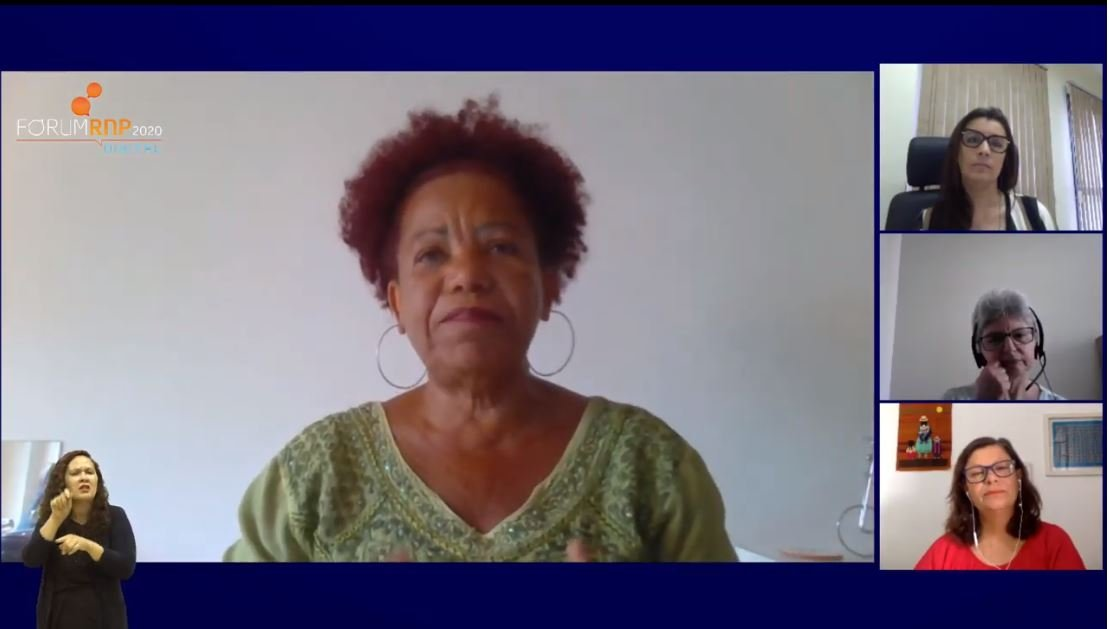
Although history shows us that great technological achievements over the years and around the world have been conquered and discovered by women, even today giving voice and space to the female audience in the area of Information and Communication Technology (ICT) is a challenge.
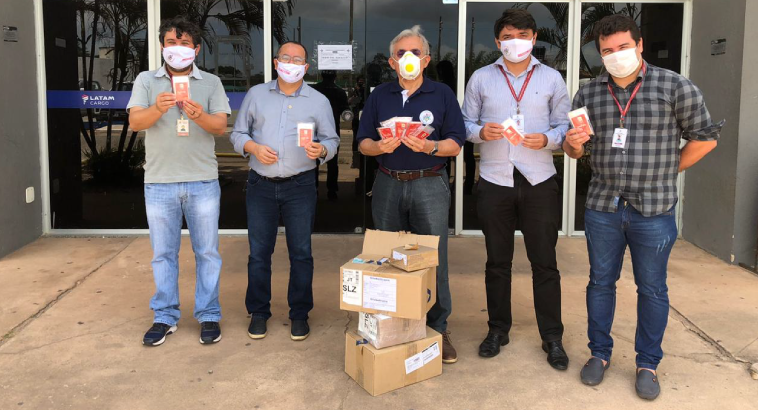
Make free internet available to students in situations of socioeconomic vulnerability enrolled in institutions of the federal network throughout the country. This is the goal of the “Connected Students” Project of the Ministry of Education of Brazil (MEC), which began to be implemented by the Brazilian advanced network, RNP, in October. With the action, in this pandemic scenario, it will be possible to resume academic activities remotely this year and these students will be able to access the educational content offered by the institutions where they study. More than that: the project contributes to democratizing access to education, promoting digital inclusion and reducing inequalities in access to Information and Communication Technologies (ICT), especially in areas further away from large centers.