



Events
Ixchel Pérez
 On 18 March, the webinar “National Networks as Key Actors in the Field of Digital Health” will take place, opening the annual series of meetings of the Special Interest Groups (SIG) on Health and Digital Health of RUTE-ALC.
Jenny Flores
On November 13 at 11:30 a.m. (ET), LNET will hold a new session of its Digital Identity Working Group, a collaborative space aimed at promoting open and secure solutions that strengthen digital transformation at the regional and global levels.
Ixchel Pérez
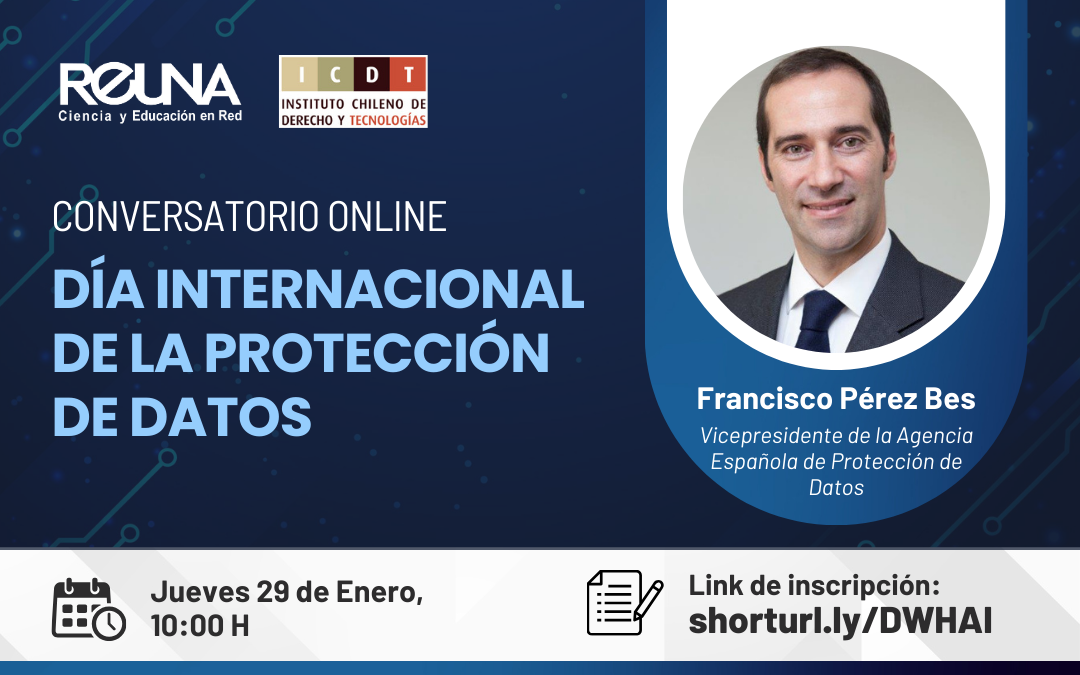 The National University Network (REUNA) and the Chilean Institute of Law and Technology invite you to take part in this virtual event, which will be held on Thursday, January 29, at 10:00 a.m. (GMT -3).
Jenny Flores
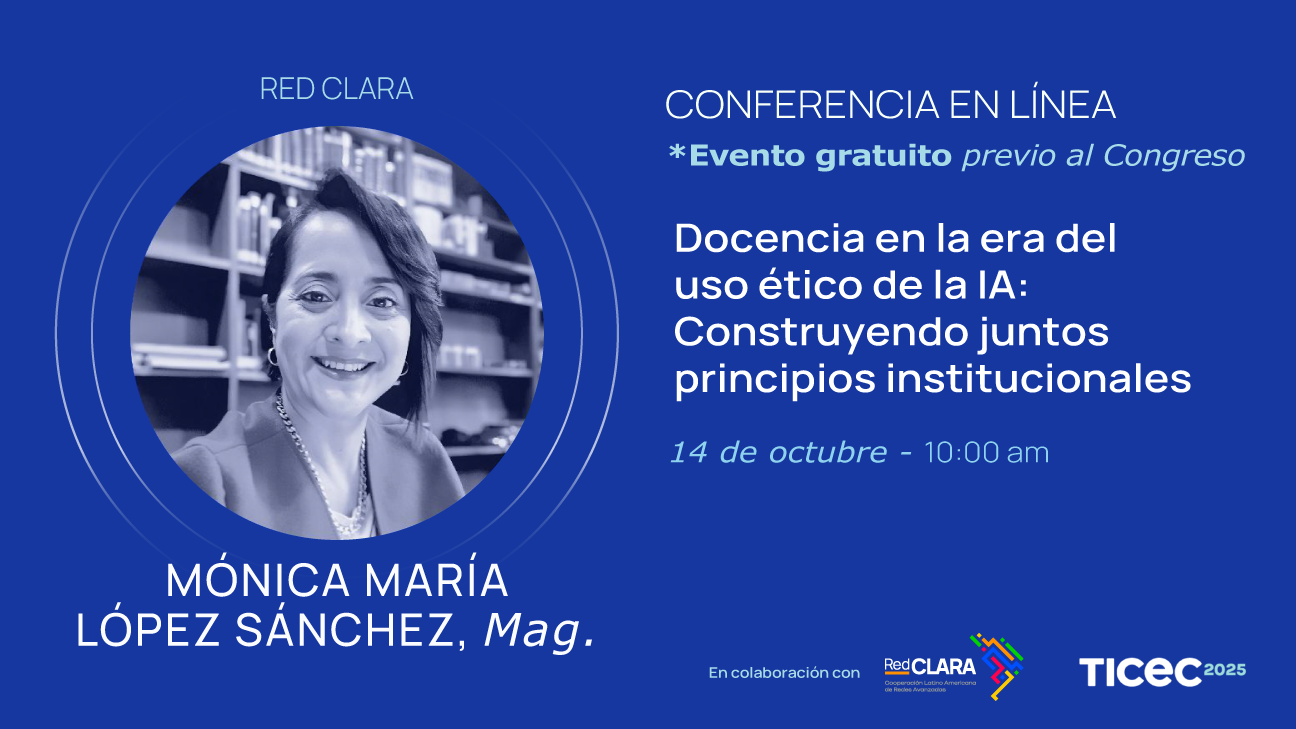
As part of the activities leading up to the TICEC 2025 Congress, Ecuador's flagship conference on Information and Communication Technologies, RedCLARA will participate in the workshop “Teaching in the era of ethical use of AI: building institutional principles for the future of education,” with a presentation by Mónica López, Coordinator of Academic Development and Partnerships.
Ixchel Pérez
There is no translation available.
El 26 de noviembre, el proyecto SPIDER, financiado por la Unión Europea en el marco del EU–LAC Digital Partnership, se unirá al ciclo de webinars de RUTE-ALC para profundizar en las oportunidades de colaboración en salud digital entre Europa y América Latina. Esta sesión virtual reunirá a especialistas, startups, redes académicas y líderes regionales que trabajan en el desarrollo de tecnologías orientadas a mejorar el acceso, la equidad y la sostenibilidad de los servicios de salud.
SPIDER es un proyecto que busca apoyar el aprovechamiento pleno del potencial de BELLA, así como acompañar la implementación de los resultados de los diálogos digitales UE–LAC. Para ello, SPIDER involucra a actores clave de I+D de ambas regiones, con el fin de construir una visión común y coordinada que promueva una transformación digital inclusiva, centrada en las personas y sostenible.
Durante la sesión, SPIDER presentará sus mecanismos de apoyo para innovadores en salud digital, que incluyen convocatorias abiertas, procesos de formación y servicios personalizados para proyectos en etapas tempranas. Estas herramientas se diseñan para acelerar soluciones digitales que puedan escalar a través de redes colaborativas como BELLA. Por su parte, RUTE-ALC compartirá los avances regionales y las proyecciones de su ecosistema, integrado por universidades, hospitales, laboratorios de investigación y redes nacionales de educación y tecnología en América Latina.
Entre los contenidos destacados de la sesión estarán los avances y las perspectivas de la salud digital en la región, los servicios y las oportunidades, y los casos reales de startups acompañadas por SPIDER.
Esta sesión forma parte del Ciclo de Webinars RUTE-ALC 2025, una iniciativa colaborativa que articula redes nacionales de investigación y educación, así como líderes del sector salud, para promover espacios de conocimiento y cooperación.
La actividad contará con traducción simultánea y se transmitirá a través de la Plataforma RCC.
Registro: https://rcc.rnp.br/RUTE-ALC/aovivo
Jenny Flores
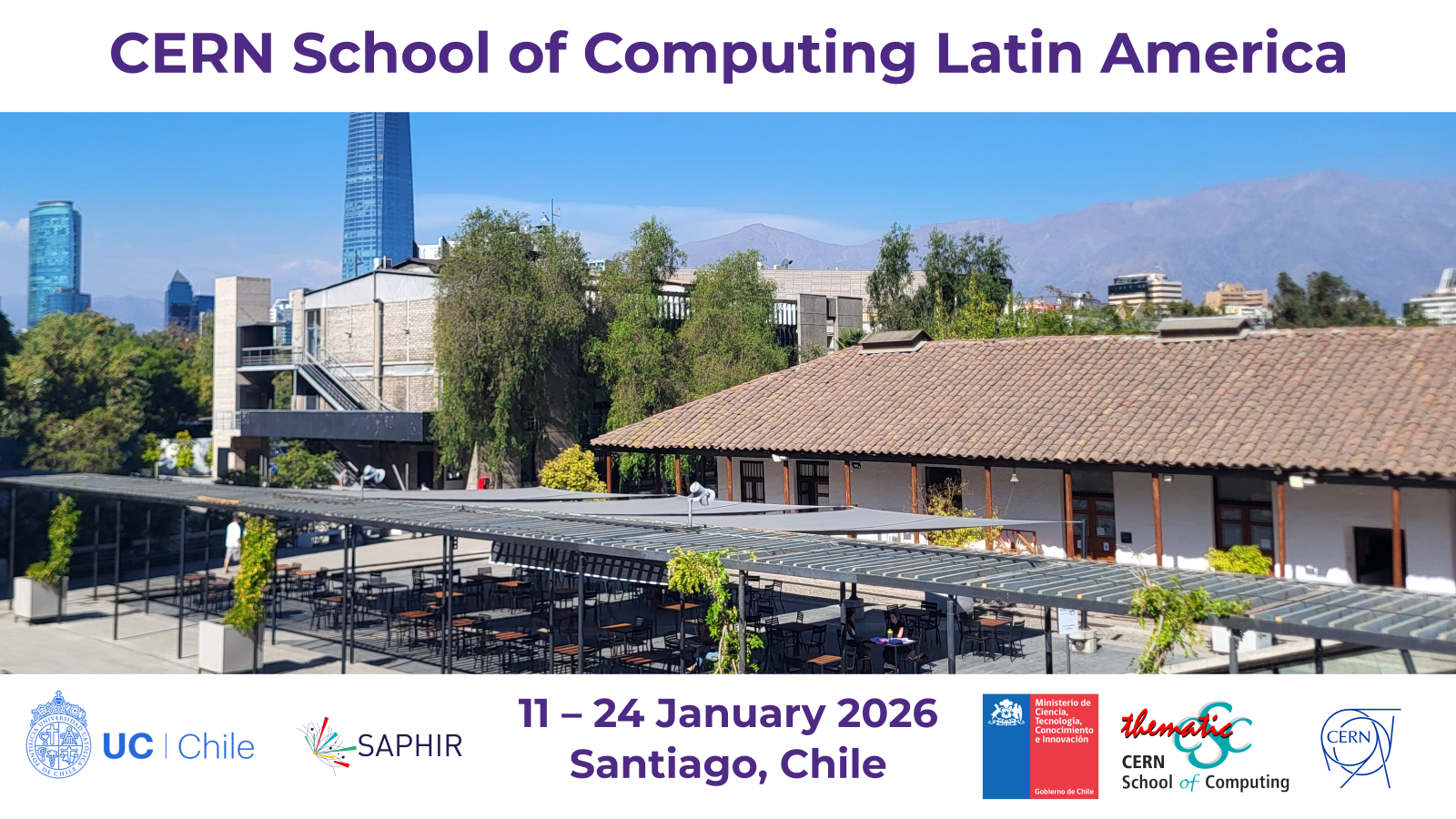 Santiago, Chile, 2025 – The 47th CERN School of Computing will take place from January 11 to 24, 2026, in Santiago, Chile, marking the first time this important academic event has been held in Latin America. The school, organized in collaboration with the Millennium Institute SAPHIR, will take place at the Lo Contador Campus of the Pontifical Catholic University of Chile, with the support of the Chilean Ministry of Science, Technology, Knowledge, and Innovation.